
You are filling out a support ticket form, and the field says “Requestor.” Two lines down, the confirmation email says “Requester.” Did someone make a typo, or are both fine?
This mix-up trips up writers, students, and office teams every day. Neither choice is a disaster, but an inconsistent one makes your work look careless. Here is the plain answer on requester vs. requestor, plus a simple way to pick the right spelling every time.
What Do Requester and Requestor Mean?
Both words name the person or party who asks for something. That something could be a document, a service, a file, access, a refund, or a favor.
Requester is the form most dictionaries list first. You will see it in news writing, emails, customer service, and academic papers.
Requestor carries the same meaning. It tends to appear in forms, databases, contracts, and software, where the “-or” ending gives the word a formal, official feel.
The meaning never changes. Only the spelling and the setting do.
Requester vs. Requestor: Side-by-Side Comparison
| Feature | Requester | Requestor |
| Meaning | Person who makes a request | Person who makes a request |
| Status | Standard spelling in most dictionaries | Accepted variant spelling |
| Common in | General writing, American English | Legal, technical, and form-based writing |
| Typical setting | Emails, news, blogs, customer service | Contracts, IT systems, request forms |
| Tone | Neutral, natural | Formal, official |
| Example | “The requester wanted a copy of the report.” | “Requestor ID: 48213” |
| Best advice | Default choice for most writers | Use only if your field or system requires it |
Which Spelling Do Americans Use?

In general American writing, requester is the safer and more common choice. It looks like other everyday agent nouns such as “teacher,” “reader,” and “sender,” so it feels natural on the page.
Most American style guidance for general audiences leans toward the “-er” form unless a specific field has its own convention. If you write blog posts, school papers, emails, or marketing copy for a US audience, use requester.
Spell checkers often agree. Some tools flag “requestor” with a red underline, while “requester” passes without a fuss. That is a hint about which form most readers expect.
Is Requestor More Common in British English?
Not in any strict way. People often assume “requestor” is the British spelling, but that is not a firm rule. British writers use both forms, and the choice usually depends on the field rather than the country.
Here is the practical takeaway:
- Neither spelling is exclusively British or American.
- “Requester” works everywhere.
- “Requestor” shows up in formal and technical documents in both countries.
If you are unsure, check the style guide of your publisher, employer, or school. If there is no guide, requester is a safe default for international readers.
Where Requestor Shows Up: Legal, Technical, and Business Settings
Some professions prefer the “-or” ending, and you will meet requestor in these places:
- Legal documents: Contracts and formal notices often label the party asking for something as the “requestor,” in keeping with other “-or” role words in law.
- IT workflows: Service desks and ticketing tools use labels like “requestor role” or “requestor name” to show who opened a ticket.
- Procurement systems: Purchase requisitions often include a “requestor ID” field to track who asked for an item.
- Records and compliance forms: Many forms for public records or data access use “requestor” in their field names.
Notice the pattern. The “-or” spelling is usually baked into a system, form, or template. Writers rarely choose it freely in a sentence. If your company’s software says “requestor,” match it in internal documentation so people can search and find the right field.
Why Do Both Spellings Exist? The -er and -or Pattern
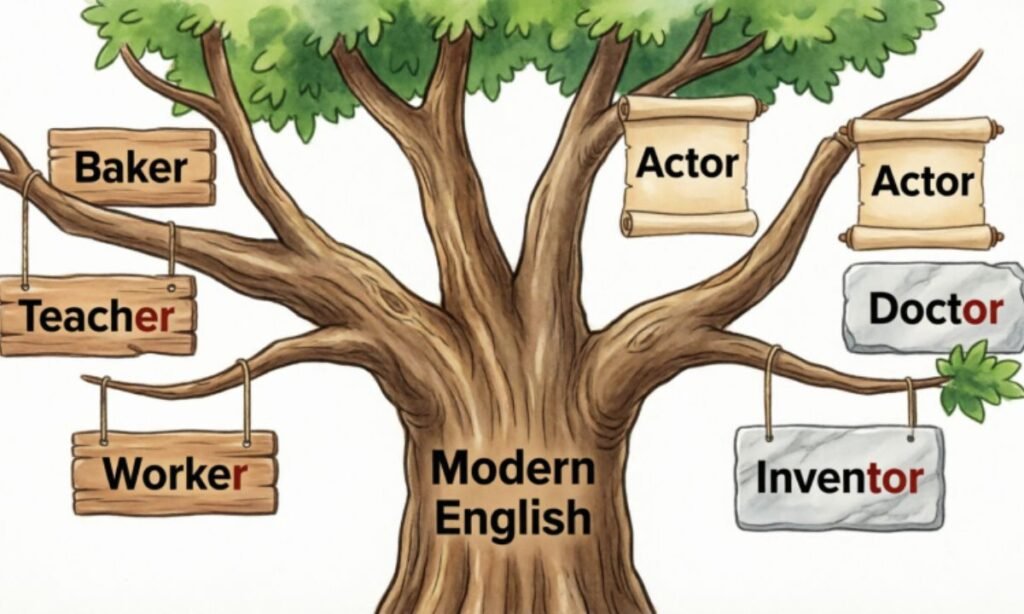
English gives us two endings for people who do things: “-er” and “-or.” Many “-er” nouns come from Germanic roots and everyday speech, like “baker” and “writer.” Many “-or” nouns come through Latin and Old French, and they cluster in legal and formal language: “grantor,” “lessor,” “creditor,” “donor.”
The word “request” itself came into English from Old French, so “-or” seems like a natural fit. That is one reason “requestor” feels at home in legal and official writing. Meanwhile, “-er” is the default way English builds new agent nouns, which explains why requester dominates everyday use.
Example Sentences You Can Borrow
Seeing the words in action makes the choice easier.
Requester (everyday and general use):
- The requester asked for a refund within 30 days.
- Each requester receives a reply within two business days.
- As the requester, you only need to fill out the first page.
Requestor (legal, technical, and form use):
- The requestor must sign the release form before any records are shared.
- Enter the requestor ID in the first field of the ticket.
- The system sends an alert to the requestor when the status changes.
Notice that the sentences work the same either way. Only the surrounding style differs.
How to Choose the Right Spelling in 30 Seconds
Use this quick checklist:
- Does a style guide or template already decide it? Follow it.
- Is a system, form, or database using one spelling? Match that spelling in your documentation.
- Are you writing for a general audience? Choose requester.
- Writing a legal or formal document? Check how similar documents in your organization spell it. If there is no precedent, either works as long as you stay consistent.
- Still stuck? Go with requester. It is the most widely accepted option.
Common Mistakes to Avoid
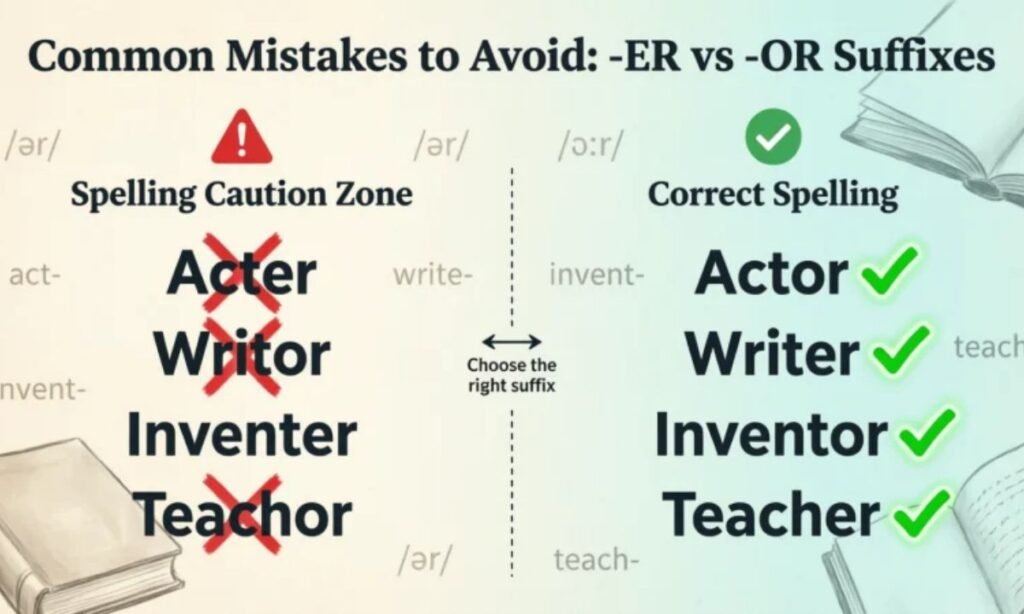
Mixing both spellings in one document. This is the most common slip. If page one says “requester” and page four says “requestor,” readers may wonder if they refer to different people. Pick one and stick with it.
Changing the spelling inside a system label. If a form field says “Requestor Name,” do not rewrite it as “Requester Name” in your help guide. Users search by the exact label, and a mismatch causes confusion.
Calling one spelling wrong. Telling a coworker that “requestor” is a typo is incorrect. It is a recognized variant. Correct them only when the document should follow a specific style.
Trusting autocorrect blindly. Spell checkers may change your spelling without asking. Reread your work, especially legal and technical text where the “-or” form may be deliberate.
Confusing the requester with the requestee. These are different roles, covered next.
Related Terms: Requestee and Other Words for the Same Role
The requestee is the person who receives the request. The requester asks, and the requestee responds. The word is less common, so many writers use plain alternatives like “recipient” or “the person being asked.”
Depending on context, other terms can replace the requester:
- Applicant: for jobs, benefits, or permits
- Claimant: for insurance or legal claims
- Petitioner: for formal appeals or court requests
- Customer or client: for service and sales settings
- Asker: for casual conversation
Clear role words help readers follow who is doing what. In a process document, defining the requester and the requestee early prevents mix-ups later.
Frequently Asked Questions
Is there such a word as requester?
Yes. Requester is a real, standard English word and the form most dictionaries list first. It means a person who makes a request.
Is requestor a correct spelling?
Yes. Requestor is a recognized variant, widely used in legal, technical, and form-based writing. It is not a typo, though some spell checkers may flag it.
Is it requester or requestor in British English?
Both appear in British English. There is no strict rule that makes one British and the other American. Use the spelling your style guide or industry prefers, and stay consistent.
What does requestee mean?
A requestee is the person who receives a request and is expected to respond. If the requester asks for a document, the requestee is the one who provides it.
Conclusion
The requester vs. requestor debate has a calm answer: both are correct, and both mean the same thing. Use requester for everyday and general writing, especially for US readers. Use requestor when a legal document, form, or system already uses it. The real mistake is mixing the two in the same piece of work.
Choose your spelling, match your templates, and move on to the writing that matters.
Pingback: Outting or Outing: Which Spelling Is Correct?