
You type “in-person meeting,” pause, and delete the hyphen. Then you add it back. Then you wonder if “meet in-person” looks right too. Sound familiar? The In-Person vs In Person question catches almost everyone, because the two forms look nearly identical and both appear in real emails, job posts, and news stories. One tiny hyphen can make a sentence look polished or slightly off. Here is the simple rule, the reasoning behind it, and a quick test you can use every time.
What “In-Person” Means as an Adjective
In-person describes something that happens with people physically present in the same place. It sits right before a noun and tells the reader what kind of thing that noun is.
- an in-person class
- an in-person appointment
- an in-person conference
- in-person training
The hyphen links the two words so they work as one unit. Without it, a reader might briefly see “in” and “person” as separate pieces. This is the same reason we write “a well-known author” and “a full-time job.”
Examples:
- “The company is hosting an in-person workshop in March.”
- “She prefers in-person feedback over email.”
- “Our in-person attendance doubled this year.”
What “In Person” Means as an Adverbial Phrase
In person also means physically present, but here it describes an action instead of a noun. It tells you how something is done, and it usually comes after the verb.
- meet in person
- apply in person
- vote in person
- pick up the package in person
There is no hyphen because the phrase is not squeezed in front of a noun. It stands on its own as two words.
Examples:
- “I’d love to meet you in person.”
- “You can submit the form online or in person.”
- “He thanked the donors in person.”
In-Person vs In Person at a Glance
| Feature | In-Person | In Person |
| Hyphen | Yes | No |
| Function | Adjective | Adverbial phrase |
| Position | Before a noun | After a verb or at the end of a clause |
| What it describes | A noun | An action |
| Example | “an in-person meeting” | “We met in person.” |
The Noun Test: A Fast Way to Choose
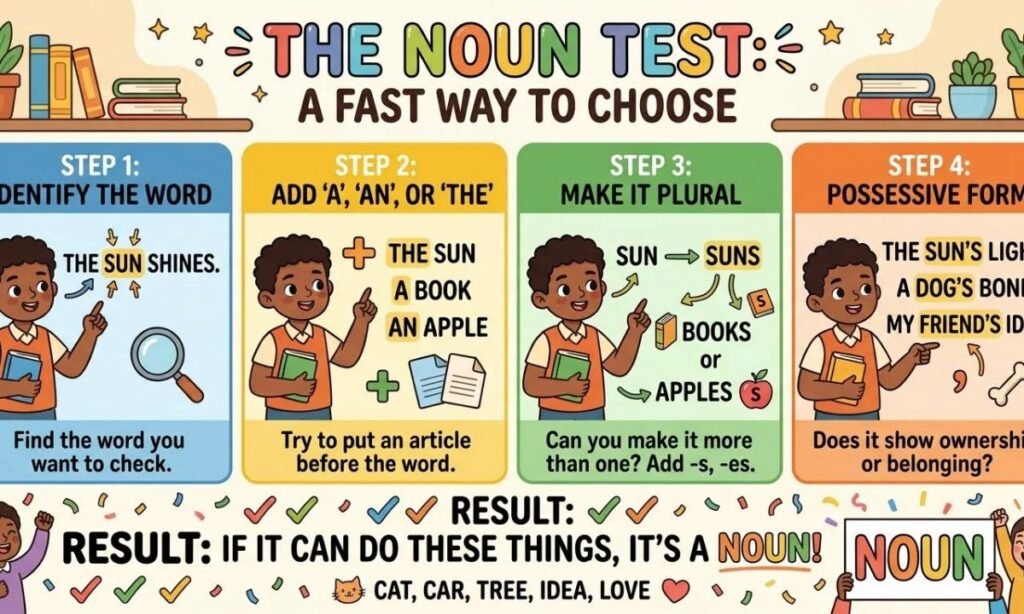
You do not need to memorize grammar terms. Just look at the word that comes next.
- Is a noun coming right after the phrase? Use the hyphen. (“in-person event“)
- Is the phrase attached to a verb or ending the sentence? Skip the hyphen. (“attend in person“)
A handy way to double-check: swap in a similar word. If you could write “online meeting,” you can write “in-person meeting.” If you could write “attend online,” you can write “attend in person.” The pattern should match.
What About “The Meeting Is in Person”?
This is where many writers get stuck. The phrase comes after the word “is,” so it does not sit in front of a noun. Most style guides treat compound modifiers like this one the same way: hyphenate before the noun, drop the hyphen after it.
- Before the noun: “an in-person meeting”
- After the verb: “The meeting is in person.”
Both sentences are correct. They just put the phrase in different positions.
Some writers keep the hyphen after the verb (“The class is in-person”) because it looks tidy. That version appears in casual writing, but the safer choice for formal work is no hyphen.
Example Sentences for Work, School, and Daily Life
Seeing the pair in real contexts makes the rule stick.
Work
- “We offer both remote and in-person interviews.”
- “The client wants to review the contract in person.”
School
- “In-person classes resume in January.”
- “Students must take the exam in person.”
Healthcare and services
- “Book an in-person consultation at the clinic.”
- “Renew your license in person at the local office.”
Events
- “The in-person conference sold out in two days.”
- “Many fans want to see the band in person.”
Everyday life
- “I’d rather ask her in person than text.”
- “It was nice to finally have an in-person chat.”
Common Mistakes (and Easy Fixes)
| Mistake | Why it is wrong | Fix |
| “an in person meeting” | No hyphen before a noun | “an in-person meeting” |
| “Please attend in-person.” | Hyphen after a verb | “Please attend in person.” |
| “We hold in-person, in-person events.” | Repetition, not a grammar issue, but it appears in rushed copy | Edit for clarity |
| “inperson” | The word is not written as one word | “in person” or “in-person” |
| “in-Person” | Odd capitalization | “in-person” |
Hyphenating everything. Some writers add a hyphen everywhere to be safe. That makes “meet in-person” look cluttered and slightly incorrect.
Dropping it everywhere. The opposite habit leads to “an in person event,” which can read as a stumble.
Mixing styles in one document. If a flyer says “in-person event” in the headline and “in-person” after a verb below, readers may not notice, but editors will. Pick the rule and apply it consistently.
What Style Guides and Dictionaries Say
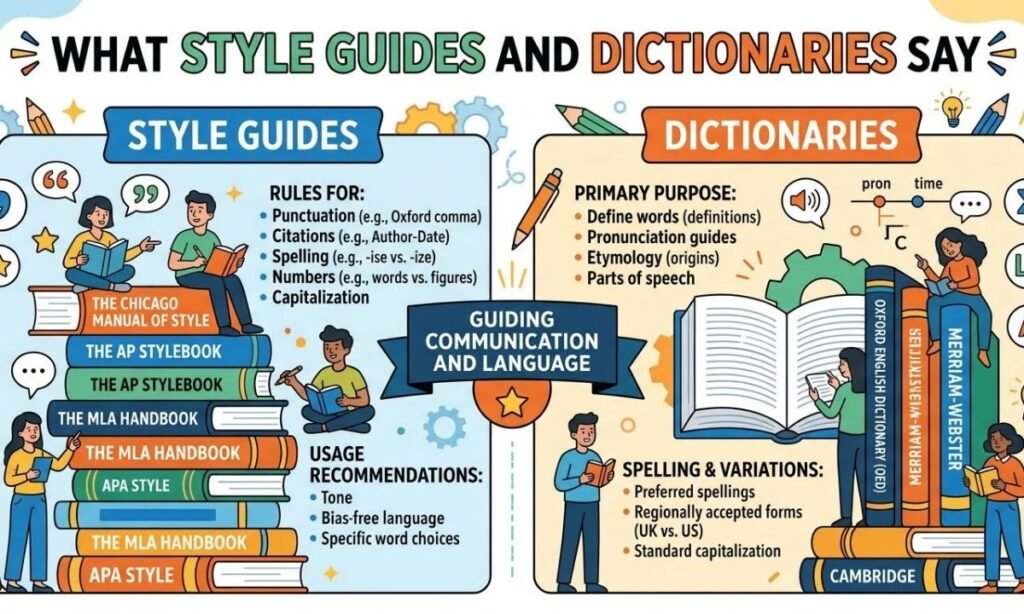
Major dictionaries list in-person as an adjective and in person as an adverb or adverbial phrase, which matches the rule above. Common style guides also recommend hyphenating compound modifiers when they come before a noun and leaving them open when they follow the noun or verb.
If you write for a school, publication, or employer, check their house style. Most follow the same basic pattern, so the noun test works in almost every case.
Capitalization in Titles and Headlines
In title case, capitalize both parts of the hyphenated adjective:
- “How to Prepare for an In-Person Interview”
For the open phrase, capitalize both words if they are not short function words your style guide lowers:
- “Why Some Deals Are Still Signed in Person” or “In Person” depending on the style guide
In normal sentences, keep both forms lowercase unless they start the sentence.
- “In-person training starts Monday.”
- “In person, the product looks even better.”
Related Terms and Opposites
People often search for the contrast, so it helps to know the words that sit across from “in person.”
| Term | Meaning | Example |
| Online | Done over the internet | “an online class” |
| Virtual | Held through video or digital tools | “a virtual meeting” |
| Remote | Done from a different location | “remote work” |
| Hybrid | A mix of in-person and online | “a hybrid event” |
| In-person | Physically together | “an in-person event” |
The most common opposite of “in-person” is virtual or online, depending on the context. For example, you might see “virtual vs in-person meetings” in a workplace policy or “online vs in-person classes” in a school brochure.
Quick Practice Quiz
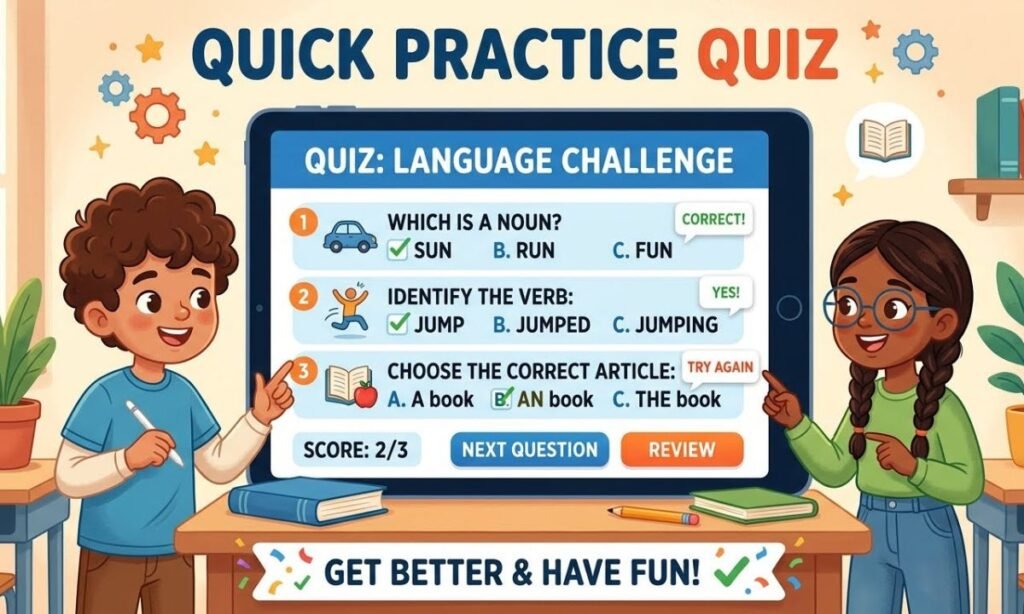
Try these before checking the answers.
- “We prefer to talk ______ about sensitive topics.” (in person / in-person)
- “She signed up for an ______ workshop.” (in person / in-person)
- “You can pay online or ______.” (in person / in-person)
- True or false: “The interview is in-person” is the safest formal choice.
- Which is correct: “attend in-person” or “attend in person”?
Answers: 1) in person, 2) in-person, 3) in person, 4) False (use “in person” after “is” in formal writing), 5) attend in person.
Frequently Asked Questions
Is “in-person” hyphenated?
Yes, when it comes before a noun. Write “an in-person meeting.” When it follows a verb, drop the hyphen: “We met in person.”
Is “in person” one word?
No. “In person” is two words. Writing “inperson” is a spelling error in every context.
Is “meet in-person” correct?
Most style guides prefer “meet in person” without a hyphen. The phrase follows a verb and describes how you meet, so it works as an adverbial phrase.
Should “in person” be capitalized?
Only at the start of a sentence or in a title where your style guide capitalizes it. In regular sentences, keep it lowercase.
What is the opposite of “in person”?
Common opposites are virtually, online, and remotely. For the adjective form, use virtual, online, or remote, as in “a virtual meeting.”
Conclusion
The In-Person vs In Person rule comes down to one habit: look at what follows the phrase. If a noun comes next, use in-person. If it follows a verb or ends the clause, use in person. That one check works in resumes, emails, school papers, and event pages. Keep it handy, and the hyphen will stop being a guessing game.
Pingback: You Too or You To: Which Is Correct? Meaning and Examples
Pingback: Accomodation vs Accommodation: Which Spelling Is Correct?
Pingback: Gage or Gauge: Which Spelling Is Correct? Meaning and Examples